
10+ Interior Design Trends For 2026: Expert Forecast
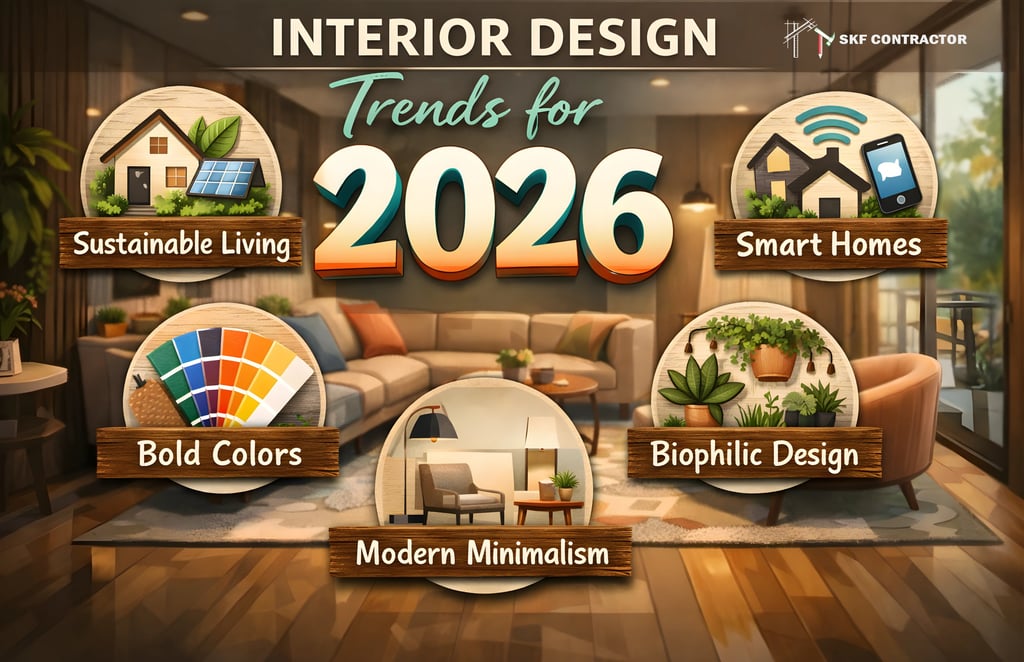
Interior Design Trends for 2026: The Big Forecast for the Year Ahead
Interior design is entering one of its most expressive and technologically advanced stages yet. As we transition from 2025 to 2026 interior design trends, our focus shifts from what looks nice to what feels good, operates well, and ages gracefully. Warm neutrals, minimal maximalism, arches, earthy textures, and multipurpose rooms have all gained popularity over the last year. Many of these remain, but they are evolving at a faster and more deliberate rate.
A new wave of trends emerges in 2026, driven by emotional design, artisan resurgence, climate consciousness, and next-generation technology. Expect homes to become more tactile, personalized, and responsive to the way we live. Here is a comprehensive prognosis for everything that will continue, mature, or emerge in the coming year.
Summary :-
Trends in interior design for 2026 include warm minimalism, eco-friendly materials, smart home technology, artisanal craftsmanship, and layouts that respond to climate change. According to SKF Contractor, homes built in 2026 will be designed with comfort, functionality, emotional well-being, and the future in mind
Design trends continue until 2025.
Multi purpose interiors
Design trends continue. Multipurpose rooms are becoming increasingly advanced. With hybrid work still prevalent, 2026 homes are adopting multi-mood areas that change lighting, layout, and storage according to how the room is used. Foldaway study pods, modular partitions, sliding panels, and sofa-to-daybed systems are increasingly commonplace. The idea is to maximize productivity while avoiding visual clutter. 2025
Curves and arches
Curves are transitioning from amusing additions to architectural elements. Expect arched walkways instead of stiff doorframes, curved kitchen islands, rounded shelves, and scalloped edges, all completed in microcement, lime plaster, and engineered stone. The look has evolved into something cleaner and more structured.
Sustainability and natural materials
Designing for sustainability is no longer optional. Homeowners are looking for FSC-certified timber, clay-based paints, bamboo plywood, hemp textiles, recycled terrazzo, and biopolymers. Low VOC coatings, plant-based materials, and ethical sourcing are increasingly important factors in urban Indian homes.
Climate consciousness is influencing decisions beyond material considerations. "We are seeing an increase in organic textiles, low-VOC paints, reclaimed wood, and materials like bamboo, jute, and cane," says Sunny Baghel, senior stylist at SKF Contractor. "But it gets deeper. Energy efficiency with LED lighting and smart home systems, passive cooling with stone flooring and lime plaster walls, and cross-ventilation layout are all increasingly common considerations, particularly in India."
Layered lighting
Lighting design is getting more precise, with tunable white systems, concealed linear strips, panel backlighting, and wall grazers that produce mood changes throughout the day. Smart lighting ecosystems prioritize circadian rhythm support and energy efficiency over adornment alone.
Minimal maximalism
Minimal maximalism persists, albeit with more restraint. Instead of bright colors or busy patterns, the emphasis is on rich textures, artisan objects, sculptural décor, and selected layers. The palette remains neutral, with depth coming from materials and craftsmanship rather than clutter.
This evolution illustrates what industry insiders term "warm minimalism becoming the new comfort language," which is based on creamy beiges, warm whites, natural woods, and sculptural decor objects. People are opting for fewer, long-lasting pieces with timeless shapes rather than chasing seasonal trends.
Natural lighting integration
Architects are prioritizing daylight with optimal window placement, clerestory openings, light wells, and translucent barriers. Passive daylighting has regained popularity, with the potential to minimize artificial light consumption by up to 40% in compact city houses.
10 new interior design trends for 2026
1. Grandmillennial style (Granny Chic 2.0)
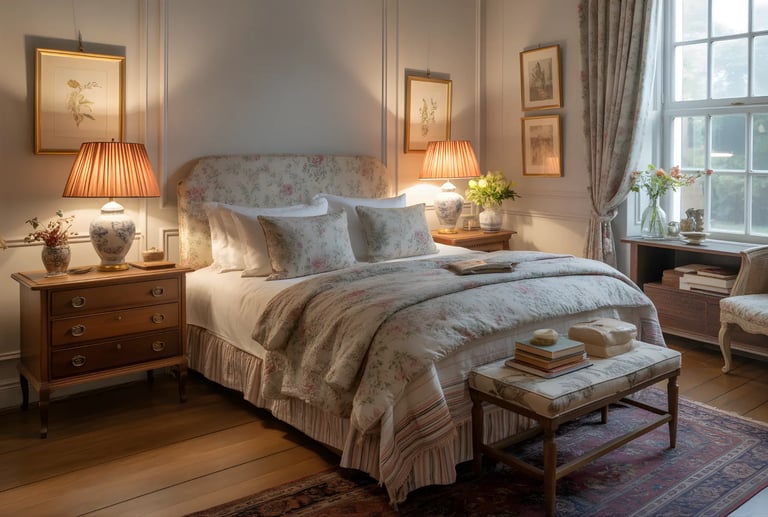
Grandmillennial design is back with a cleaner, fresher twist. Think floral designs, embroidered pillows, pleated lampshades, and vintage-inspired upholstery, yet with modern furniture forms. This version celebrates nostalgia without being overly cluttered. A single chintz print against modern wood or metal finishes is frequently enough to complete the look.
2. Dopamine decor
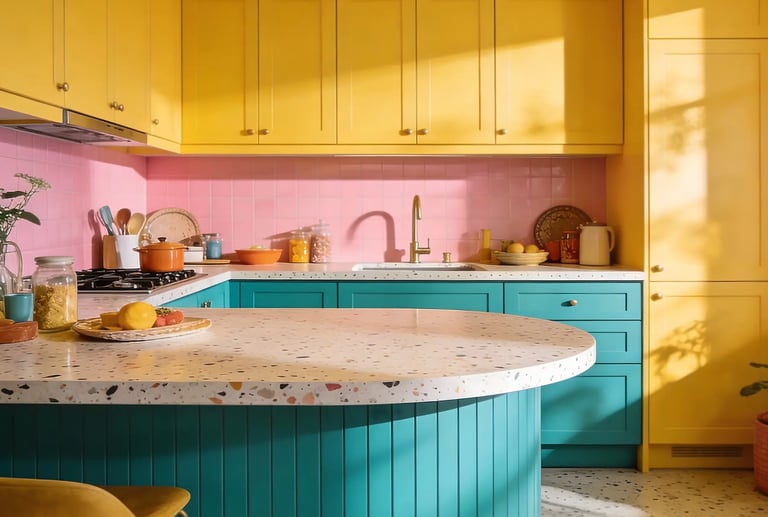
2026 celebrates color that brings joy. Dopamine decor creates a positive emotional impact by using bright, mood-boosting colors such as citrus green, sunshine yellow, and vibrant blue. Colour psychology research supports the effect of rich tones on well-being. Incorporating colored glassware, bright rugs, amusing art, or accent walls is a simple way to explore the trend.
3. Acoustic design elements
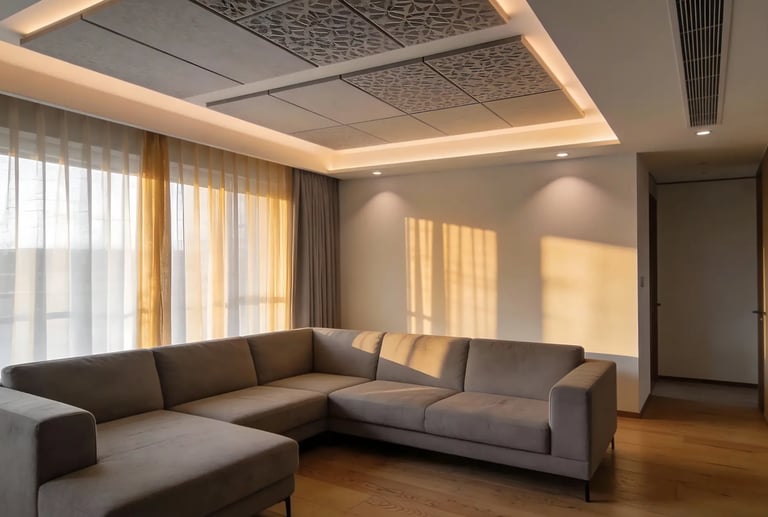
Cities' noise pollution has elevated the importance of acoustic interiors. Textured panels, cork tiles, fabric-wrapped walls, slatted wood baffles, upholstered headboards, and acoustic drapes are all becoming popular in homes. The goal is to improve sleep, comfort, and concentration. Sound-absorbing rugs and dual-layer draperies will become more popular in compact apartments.
4. Japandi maximalism
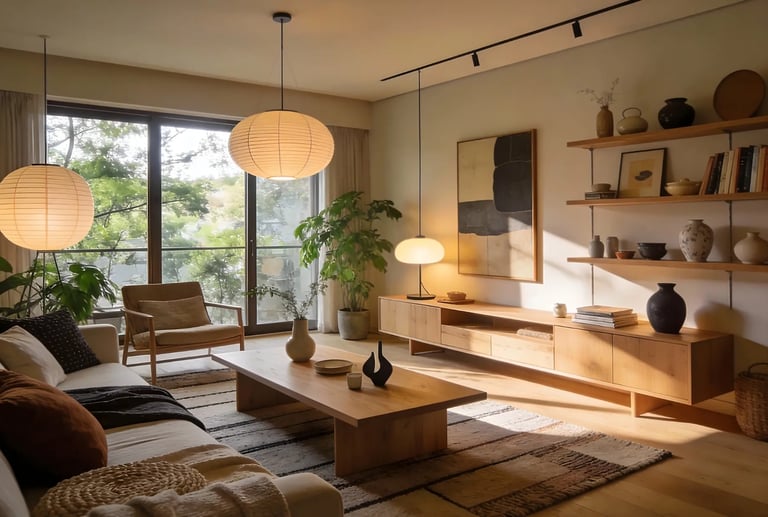
Japandi maximalism combines the peacefulness of Japanese minimalism with the warmth and layers of Scandinavian maximalism. Expect neutral tones with enormous sculptural vases, weaving textures, oversized ceramics, layered textiles, and natural light as a central design element. The appearance is peaceful but visually appealing.
5. Smart kitchens 2.0
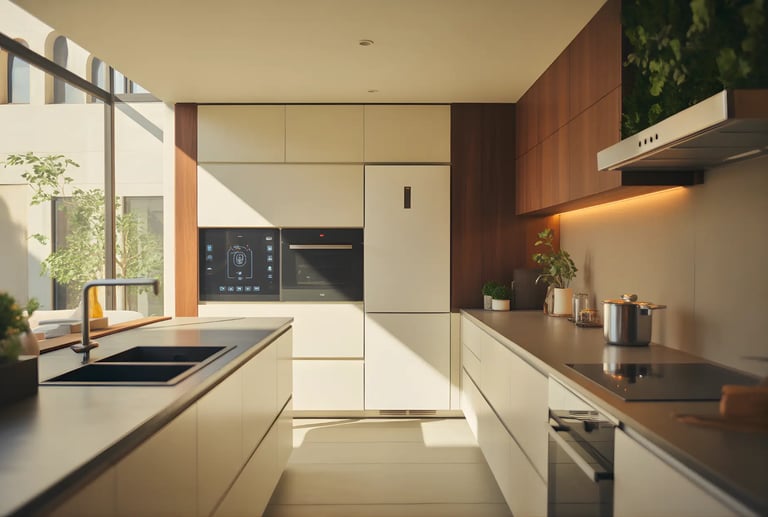
Smart kitchens are becoming increasingly clever. AI-powered appliances can recommend recipes based on fridge contents, taps respond to voice commands, drawers open with touchless sensors, and cooktops now include built-in safety monitors. Homeowners are focusing on energy efficiency, compact vertical storage, and antibacterial coatings.
6. Terracotta renaissance
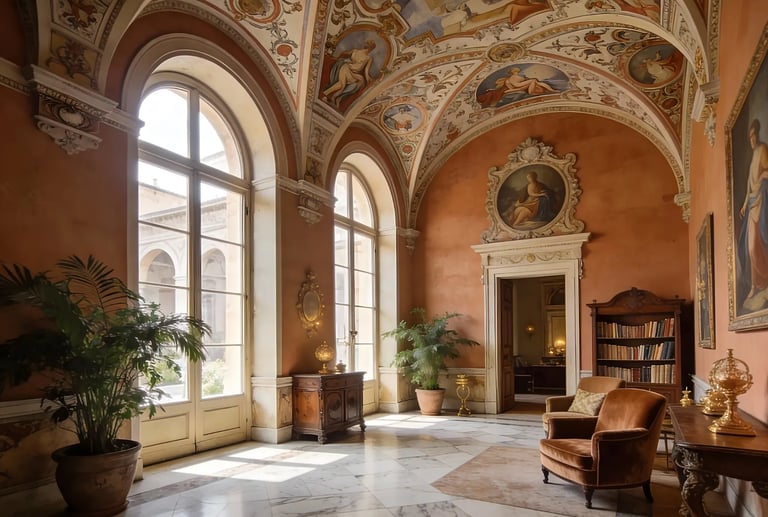
Terracotta colors and materials are experiencing a significant return. Beyond pots, terracotta can be found on textured walls, floor tiles, lamp bases, dinnerware, and sculptural furniture. Its earthy warmth pairs well with both neutral and dopamine-driven palettes. Limewashed terracotta walls are extremely popular in living rooms.
This transition is part of a larger color progression. "We are transitioning from soft pastels to deep naturals," explains Nahim Mansoori, senior stylist at SKF Contractor. "Tones like sage, terracotta, mustard, indigo, teak, and coconut brown have greater weight and presence. These neutrals give instant cosiness without cluttering the visual palette, and they're distinctively relatable to Indian homes while being globally trendy."
7. Biomorphic furniture
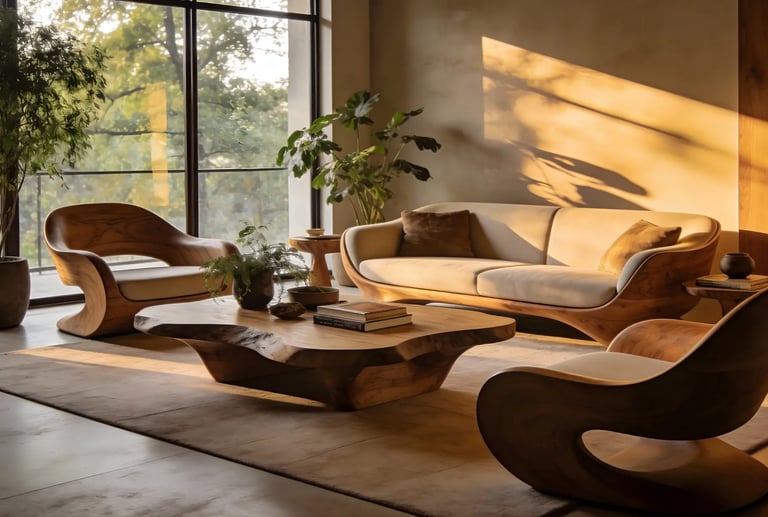
Nature-inspired, soft-edged furniture is the dominant theme at international design shows. Expect cloud-like sofas, pebble-shaped tables, wave-edged consoles, and naturally curved seats. These forms soften the stiffness of modern homes while providing tactile relaxation without overpowering the area.
8. Climate responsive design
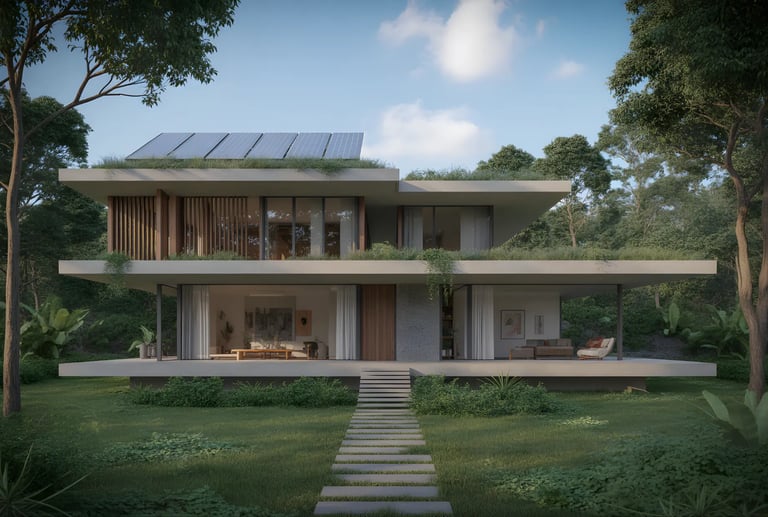
India's climatic diversity has made passive cooling and energy-efficient building more important than ever. Expect deeper balconies, jaali screens, cross ventilation, reflective roof coatings, insulated glazing, and heat-reducing materials. Climate-friendly design is becoming a necessity rather than an afterthought.
9. Artisan maximalism
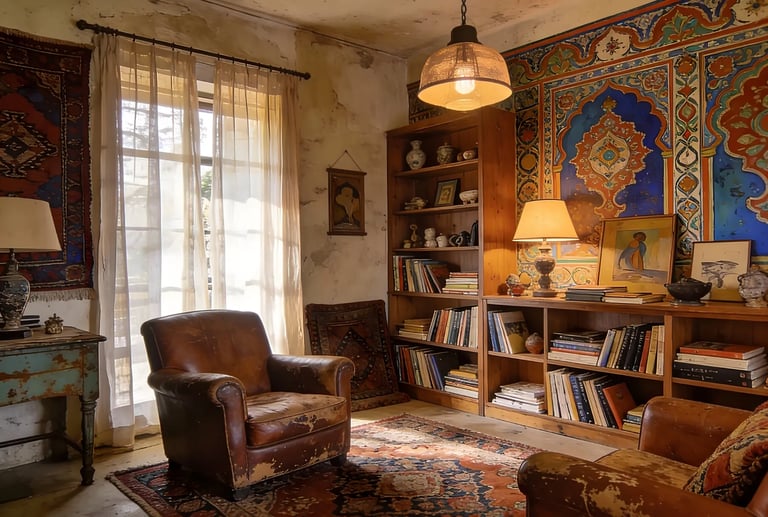
There is a growing yearning for dwellings with character and cultural significance. Artisan maximalism honors handcrafted works such as block-printed textiles, carved wood panels, terracotta pots, metal inlay work, and contemporary craft commissions. The trend benefits Indian craftspeople while reintroducing individuality into metropolitan homes.
An interesting convergence is occurring here. Indian design sensibilities are mixing well with global trends. Indian craftsmanship, including handwoven textiles, carved wood, brass accents, terracotta, and stone inlays, combines global minimalism with contemporary silhouettes. Local sourcing is also gaining popularity, with buyers preferring locally manufactured decor and materials that help Indian craftsmen while reducing environmental effects.
10. Transitional spaces
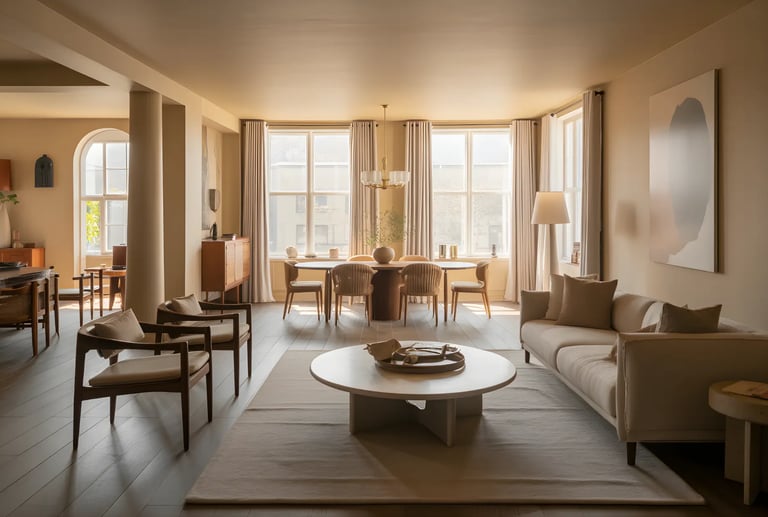
Transitional zones are the new luxuries in tight apartments. Balconies, terraces, and partially open rooms are being converted into reading areas, mini offices, meditation decks, or plant-filled nooks. Folding glass barriers, weatherproof furniture, and vertical plants assist in blurring the distinction between interior and outdoors.
What’s fading out
Nothing from 2025 will carry over. Several tendencies are getting overly saturated. Grey interiors are losing ground to warmer tones, exaggerated bohemian aesthetics are giving way to more refined appearances, and high-gloss gold and mirror finishes are being replaced by brushed, aged metals. Maximalist clutter and showroom-ready dwellings are likewise on their way out. People like homes that feel lived in and authentic, rather than those that have been staged for a photoshoot.
The digital craft frontier
The most surprising trend for 2026 would be "digital craft," a mix of AI and handmade styles that is something entirely new. Sunanda Pandey and Rashmi Singh add, "We're seeing AI-generated patterns turned into cushions, rugs, and wallpapers; parametric lighting and wall sculptures; and furniture that is both organic and futuristic." "It's where technology and craft come together."
Materials taking centre stage
The tale of the material in 2026 is very much about texture and genuineness. Expect more rough stone, warm mid-tone woods, limewash and clay paints, and brushed old metals. People are increasingly seeking items that have natural imperfections. People want to see the maker's hand and the differences in the material. This approach adds character in a way that mass-produced finishes cannot match.
Quiet luxury evolves
The trend of quiet luxury is moving beyond just simple colors and styles. It's becoming more classic and elegant, with high-quality, long-lasting items, rich textures like brushed wool and linen blends, and sculptural metal lighting. It's about buying things that will last a long time instead of those that go out of style quickly.
Nature beyond plants
Living with nature is spreading beyond what you might think. Adding plants is no longer the only thing the strategy does. Palettes with sage, olive, and moss; stone accents; and art based on landscapes are all ways to bring nature inside through color, texture, and shape. It's a more advanced and connected way of doing things.
Design changes the most quickly when life does. The homes of the future will be warmer, smarter, and far more personal, with mood and behavior having as big of an effect on them as looks. The main idea for 2026 is straightforward, whether you like terracotta walls, sculptural furniture, the digital craft revolution, or the peaceful charm of Granny Chic 2.0. Pick something that feels nice, works well, and fits perfectly with your daily life. Trends come and go, but a home that understands you will always be trendy.
🚀 How SKF Contractor Can Help You
Interior design trends for 2026 is all about combining comfort and innovation. The emphasis is on environments that are comfortable, functional, and a little futuristic. When it comes to designing a fashionable and welcoming home, every detail is important, from smart furniture and earthy colours to textured walls and environmentally responsible materials. If you are ready to revamp your house with the current interior design trends, schedule a free consultation with SKF Contractor today and let us create a home you will enjoy returning to.
What are the biggest interior design trends for 2026?
Some of the top trends for 2026 include dopamine decor featuring colors that evoke positive feelings, grandmillennial style (Granny Chic 2.0), Japandi maximalism, climate-responsive design, and artisan maximalism that celebrates handmade objects. Smart kitchens 2.0, which have appliances that use AI and design features that cut down on noise, are also becoming more popular.
Is minimalism still in style in 2026?
Yes, but it's changing. Minimal maximalism keeps going, but with more restraint. Instead of clutter, it focuses on rich textures, handmade items, and carefully chosen layers. Soft minimalism with creamy beiges, soft whites, and natural woods is the modern way to feel at home. The focus is on quality and long-lasting over quick decor.
What colours are trending for interior design in 2026?
In 2026, gentle pastels will give way to rich naturals. Terracotta, sage green, mustard, indigo, teak, and coconut brown are all trendy colors. Dopamine décor features bright, mood-boosting colors such as citrus green, sunshine yellow, and brilliant blue. All-grey interiors are being phased out in favor of these warmer tones.
How is sustainability influencing interior design in 2026?
Sustainability is unavoidable in 2026. Homeowners like FSC-certified wood, clay-based paints, bamboo plywood, hemp textiles, recycled terrazzo, and bio-resins. Climate-responsive design, including passive cooling, cross-ventilation, energy-efficient LED lighting, and low-VOC finishes, is becoming more prevalent, particularly in Indian homes.
FAQs on “Interior Design Trends for 2026”
CONTACT US
C-158A, Street No.2, Chattarpur Enclave, Ph-2, 100ft Road New Delhi, Delhi 110074
+91 73730 31717
ADDRESS
SKF Contractor @2026 All Rights Reserved.
QUICK LINKS
Our Popular Services:
Interior Designer | Office Interior Design | Modular Kitchen | Living Room Interior Design | Bedroom Interior Design | Salon Interior Design | Jewellery Shop Interior Design | Showroom Interior Design | Apartment Interior Design | Home Interior Design | Commercial Interior Design | Villa Interior Design | Turnkey Interior Design | Kids Room Interior Design
Our Recent Projects:
Manish Bhasin's 2BHK | Puneet Agarwal's 3BHK | Parth Sarthi's 3BHK | Aarpit Jaiswal's 3BHKs | Bhawna Gupta's 2BHK | Amit Vaid's News Channel | Delta Export's Office | Avyukta Corporate Solution's
Our Service Locations:
Delhi:-
Interior Designer in Delhi | Interior Designer in South Delhi | Interior Designer in East Delhi | Interior Designer in Central Delhi | Interior Designer in Dwarka | Interior Designer in Dwarka Expressway | Interior Designer in Rohini | Interior Designer in Pitampura | Interior Designer in Janakpuri | Interior Designer in Vasant Kunj | Interior Designer in Saket | Interior Designer in Greater Kailash 1 | Interior Designer in Greater Kailash 2 | Interior Designer in South Extension | Interior Designer in Chattarpur | Interior Designer in Mayur Vihar | Interior Designer in Preet Vihar | Interior Designer in Punjabi Bagh | Interior Designer in Rajouri Garden | Interior Designer in Model Town | Interior Designer in Civil Lines | Interior Designer in Jasola | Interior Designer in Sarita Vihar | Interior Designer in Connaught Place | Interior Designer in Okhla |
Gurgaon / Gurugram:-
Interior Designer in Gurugram | Interior Designer in Sohna Road | Interior Designer in Manesar | Interior Designer in Golf Course Road | Interior Designer in Ambience Island | Interior Designer in DLF Phases | Interior Designer in DLF Phase 1 | Interior Designer in DLF Phase 2 | Interior Designer in DLF Phase 3 | Interior Designer in DLF Phase 4 | Interior Designer in DLF Phase 5 | Interior Designer in DLF the Camellias | Interior Designer in DLF the Magnolias | Interior Designer in Nirvana Country | Interior Designer in MG Road | Interior Designer in Gurgaon Sector 30 | Interior Designer in Gurgaon Sector 37D | Interior Designer in Gurgaon Sector 49 | Interior Designer in Gurgaon Sector 81
Faridabad:-
Interior Designer in Faridabad | Interior Designer in Green Fields | Interior Designer in Surajkund | Interior Designer in Faridabad Sector 9 | Interior Designer in Faridabad Sector 10 | Interior Designer in Faridabad Sector 15 | Interior Designer in Faridabad Sector 17 | Interior Designer in Faridabad Sector 19 | Interior Designer in Faridabad Sector 21C | Interior Designer in Faridabad Sector 28 | Interior Designer in Faridabad Sector 30 | Interior Designer in Faridabad Sector 31 | Interior Designer in Faridabad Sector 46
Ghaziabad:-
Interior Designer in Ghaziabad | Interior Designer in Indirapuram | Interior Designer in Vaishali | Interior Designer in Vasundhra | Interior Designer in Raj Nagar Extension | Interior Designer in Kavi Nagar | Interior Designer in Crossings Republik | Interior Designer in Shastri Nagar | Interior Designer in Nehru Nagar | Interior Designer in Kaushambi | Interior Designer in Sahibabad | Interior Designer in Mohan Nagar | Interior Designer in Lohia Nagar | Interior Designer in Govindpuram | Interior Designer in Lal Kuan | Interior Designer in Wave City
Noida:-
Interior Designer in Noida | Interior Designer in Noida Extension | Interior Designer in Noida Sector 18 | Interior Designer in Noida Sector 44 | Interior Designer in Noida Sector 62 | Interior Designer in Noida Sector 75 | Interior Designer in Noida Sector 76 | Interior Designer in Noida Sector 104 | Interior Designer in Noida Sector 128 | Interior Designer in Noida Sector 137 | Interior Designer in Noida Sector 142 | Interior Designer in Noida Sector 150
Greater Noida:-
Interior Designer in Greater Noida | Interior Designer in Pari Chowk | Interior Designer in Greater Noida West | Interior Designer in Alpha 1 | Interior Designer in Alpha 2 | Interior Designer in Beta 1 | Interior Designer in Beta 2 | Interior Designer in Gamma 1 | Interior Designer in Gamma 2 | Interior Designer in Delta 1 | Interior Designer in Delta 2 | Interior Designer in Omega 1 | Interior Designer in Omega 2 | Interior Designer in Zeta 1 | Interior Designer in Zeta 2 | Interior Designer in Greater Noida Sector 36 | Interior Designer in Knowledge Park 1 | Interior Designer in Knowledge Park 2 | Interior Designer in Knowledge Park 3 | Interior Designer in Knowledge Park 4 | Interior Designer in Techzone 4