Mandir Direction as per Vastu: The Complete Guide to Placing Your Home Temple Right

Mandir at home as per Vastu (English guide): find the right direction, the right room, and the right setup — explained simply, with remedies for homes where the ideal direction isn't available.
The puja mandir is one of the most essential areas of an Indian home. This is where the day begins, and where the family meets for tranquility. But mandir direction in home isn't something to guess at. Vastu Shastra, the appropriate of mandir direction as per vastu influences everything from positive energy to the harmony of the household.
Summary :-
This guide covers the best direction for mandir as per vastu, room-by-room placement rules, idol orientation, common mistakes, and — unlike most guides — practical remedies for homes where the northeast corner simply isn't available.
In This Article:-
Best Direction for Mandir as per Vastu
The best place for mandir as per vastu is the northeast corner of the house, known as Ishan Kona. This corner is considered the seat of Lord Ishana and is believed to receive the purest cosmic energy in the home, which is why it tops every serious discussion of mandir vastu direction.
If the northeast is already occupied by another room, two solid alternatives exist for the direction of mandir in home:
- East — aligned with the rising sun; associated with new beginnings and vitality
- North — associated with Kubera, the deity of wealth, and linked to prosperity
Avoid entirely: south and southwest. These directions are governed by Yama and are considered disruptive to the sanctity of a worship space — this is the one rule almost no Vastu source disputes.
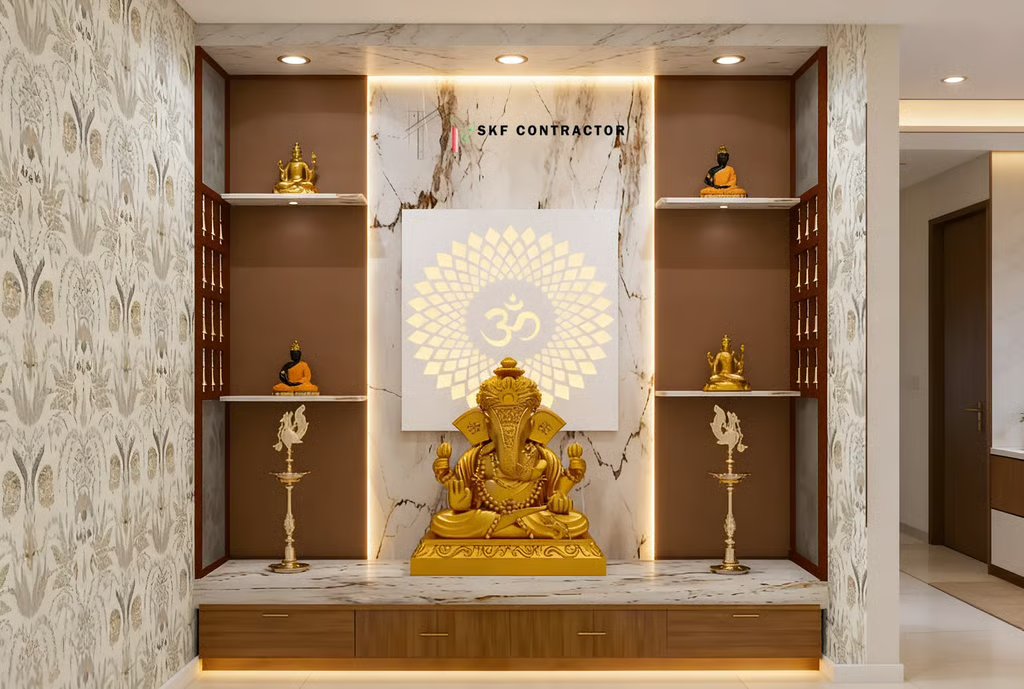
Mandir Direction According to House-Facing Orientation
Most guides stop at “put it in the northeast”, but the temple direction as per Vastu you should follow also depends on how your house itself is orientated – a detail worth getting right if you’re designing from scratch:
- North-facing house: The northeast corner is usually easy to access near the main entrance — ideal for a dedicated puja room.
- East-facing house: East-facing homes naturally support an east-facing mandir near the front of the house, maximising morning light on the idols.
- South-facing house: Since the entrance itself sits opposite the ideal energy zone, the northeast interior corner (even if it’s deeper into the house) should still be prioritised over any room near the south-facing entry.
- West-facing house: Look for the northeast corner within the layout rather than defaulting to the entrance-facing wall; a north or east interior wall works as a backup.
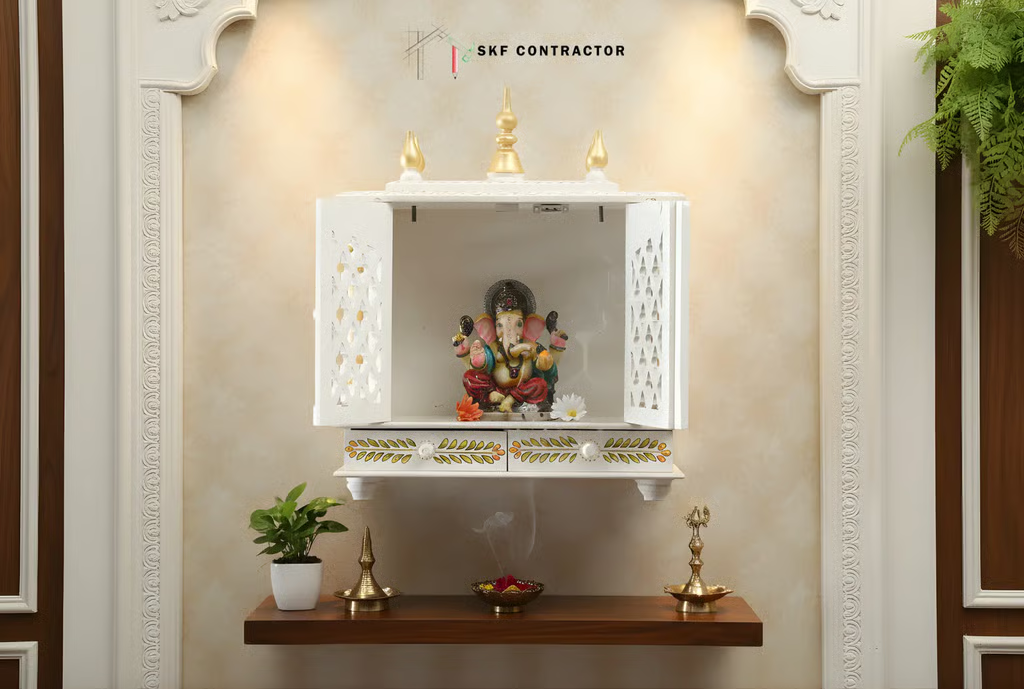
Idol Placement and Facing Direction
Once the room’s mandir direction is set, the idols themselves need their own orientation. Idols are often placed facing east or west so that the person praying – standing in front – faces north or east, the two directions most conducive to absorbing positive energy during prayer.
Some placement guidelines that hold true no matter the topic or budget:
- Keep idols at least six inches away from the wall — never resting flush against it
- Avoid placing idols directly facing each other
- The primary deity should sit at the centre or back of the unit, elevated on a small platform, at eye level or slightly above when seated
- Never place idols directly in line with the main entrance door
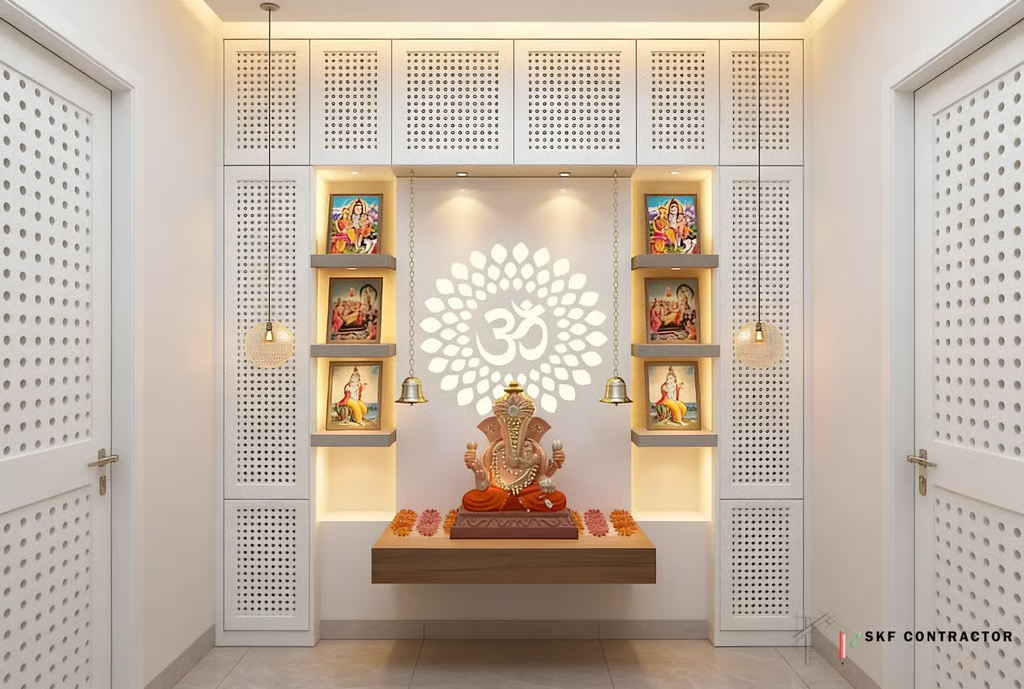
Room-Wise Mandir Direction Rules
Mandir direction in house planning changes slightly depending on which room hosts it:
- Dedicated puja room: Ideal on the ground floor of a multi-storey home, positioned in the northeast corner. This keeps the spiritual centre of the house closest to the entrance level.
- Bedroom: A small puja unit is acceptable if space is tight, but it must sit in the room’s northeast, east, or north corner — and never at the foot of the bed, since your feet shouldn’t point toward it while sleeping.
- Kitchen: Only acceptable if the unit is placed in the northeast corner of the kitchen and kept clearly separate from the cooking area — the fire element of the kitchen can otherwise disturb the mandir’s sanctity.
- Living room: A wall-mounted mandir works well here for apartments, provided it still sits in a north, east, or northeast wall segment.
- Basement: Avoid entirely — considered inauspicious regardless of directional alignment.
- Under the staircase: Also avoid — this is one of the most common home mandir direction mistakes in urban flats, where space constraints tempt homeowners to tuck the mandir under the stairs.
Doors, Windows & Ventilation for the Puja Unit
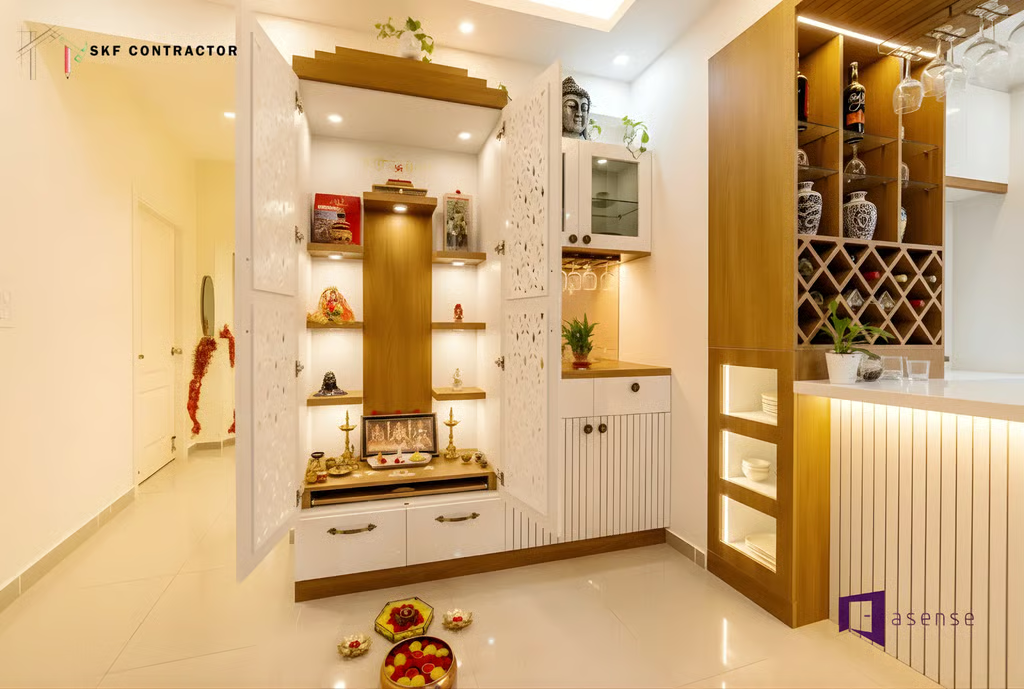
The puja unit itself has directional rules too, apart from the room. The doors and windows of the puja cabinet should preferably open to the north or east and the unit should be kept in a well-ventilated area with adequate space to open both shutters fully. A confined and closed-off corner, no matter how ornate the design, is still considered significantly worse for preserving good airflow than a well-ventilated northeast-facing flat.
Diya and Agni Kund Placement
There is a directed logic of lighting away from the idols. The finest zone to keep diyas and agni kunds is the southeast corner of the mandir. This zone is related with the fire element. Alternatively, diyas can be put towards the east (related to family health) or north (connected to prosperity), but never the south, which is believed to drain the household’s wealth over time.
What to Do If the Ideal Direction Isn't Available
This is the part most blogs skip entirely, but it’s often the most useful for people renovating an existing flat rather than building from scratch:
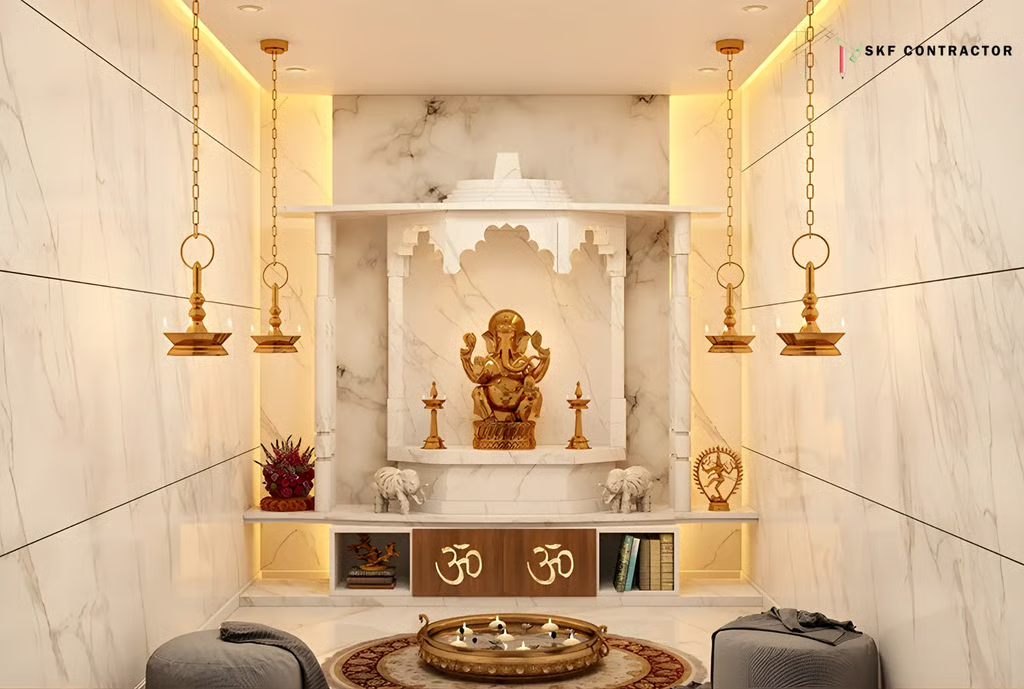
- If your only option is south or southwest: Use a small copper pyramid, a Vastu yantra, or a strategically placed mirror to help redirect and balance energy in the space.
- If the room is oddly shaped or cramped: A compact wall-mounted unit in the closest available north/east-facing wall segment is a better compromise than forcing a full puja room into the ideal corner.
- If you live in a rented flat with no flexibility: A small tabletop mandir that can at least be oriented so the idols face east or north addresses most of the core requirements without any structural changes.
These remedies won’t fully replace an ideal northeast placement, but they’re a genuine middle ground rather than leaving the space non-compliant altogether.
Common Mistakes to Avoid
Many of the issues that disturb a mandir’s energy are less about direction and more about everyday habits around the space:
- Placing the mandir in the south direction
- Keeping it under a staircase or above/below a bathroom
- Positioning idols touching the wall or facing each other
- Praying while facing south
- Storing money, unrelated household items, or photographs of deceased family members near the mandir
- Keeping broken or chipped idols in the unit
- Letting the space become cluttered with non-puja items
Materials & Colours for the Mandir
White, off-white, cream, soft yellow and light pink are regarded appropriate colours for mandir area as they are calming both visually and energetically. Dark or too bright colours tend to make the area feel heavy rather than tranquil. Traditional materials are wood and marble and glass and plastic units are often shunned in favour of these more grounding, natural materials.
How SKF Contractor Can Help
Getting the mandir direction according to vastu right on paper is one thing — building a unit that actually fits your home’s layout, budget, and family size is another. SKF Contractor designs and installs custom mandir units and full puja rooms across Delhi NCR, combining Vastu-compliant placement with modern finishes — from CNC-cut wooden panels to marble temples and wall-mounted designs for smaller apartments.
Contact SKF Contractor for a Vastu-compliant mandir design suited to your space.

FAQs on Mandir Direction as per Vastu
What is the best direction for mandir as per Vastu?
Northeast (Ishan Kona) is the most auspicious. If unavailable, east or north are strong alternatives.
Which direction should the idols face?
Idols should generally face east or west, so the person praying faces north or east.
Can the mandir be placed in the bedroom?
Yes, in the room’s northeast, east, or north corner — just avoid placing it at the foot of the bed.
Is it okay to place a mandir in the kitchen?
Only if it’s in the kitchen’s northeast corner and kept separate from the cooking area.
What if my house is south-facing and I can't access the northeast corner?
Prioritise any available northeast interior corner over a room near the south-facing entrance, and consider a copper pyramid or yantra as a supporting remedy.
Which direction should the diyas and agni kund be placed in?
Southeast is ideal; east or north are acceptable alternatives. Avoid south.
What are common mistakes in mandir direction and placement?
South-facing placement, positioning under a staircase, idols touching walls or facing each other, and clutter inside the puja unit.